Category: Blog

Your blog category

  • Roof Installation Process Explained

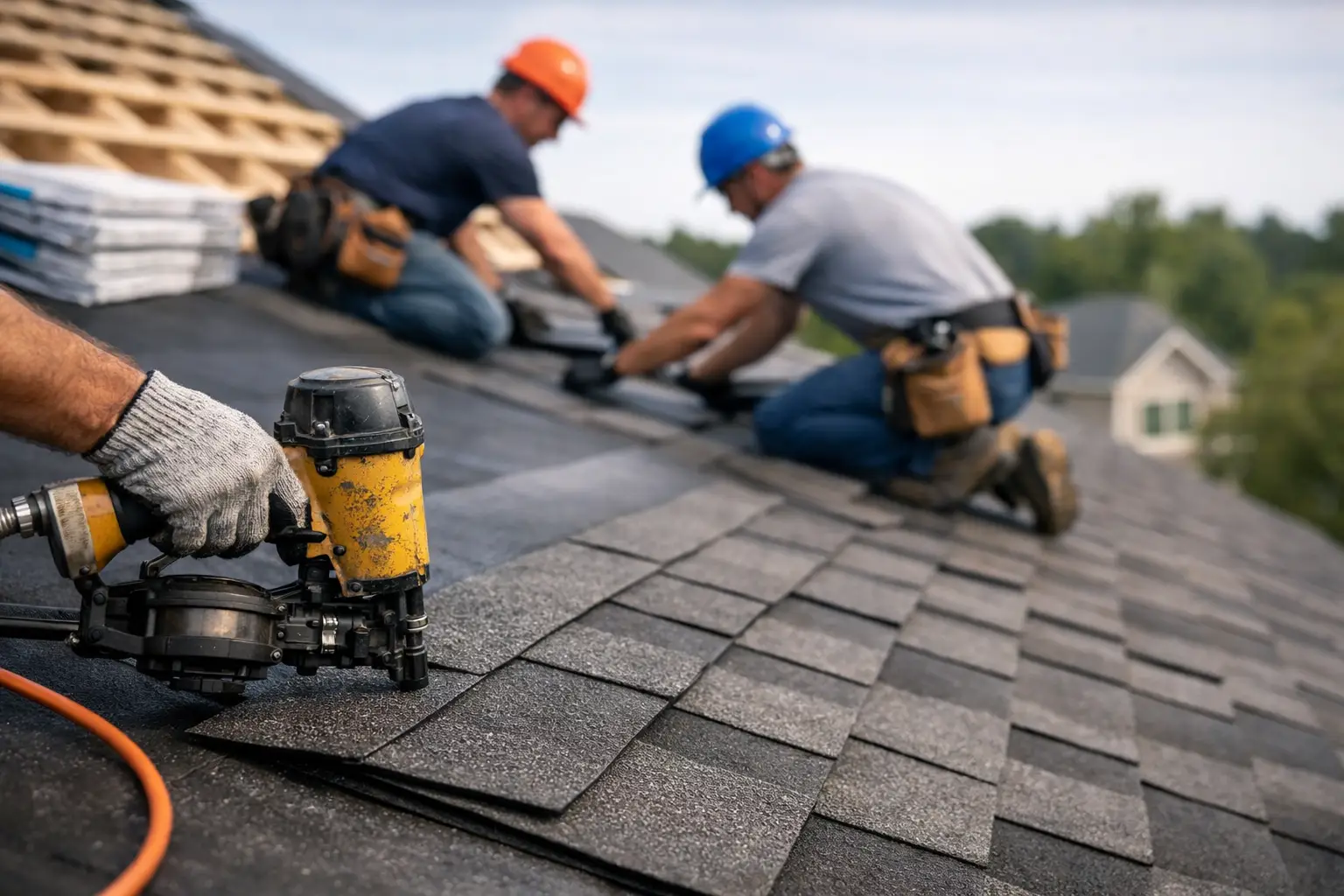
    Roof Installation Process Explained

    A new roof is not something most property owners buy often, which is exactly why the roof installation process can feel unclear at the start. If you are replacing an ageing roof, planning an extension, or managing work on a rental or commercial building, knowing what happens at each stage helps you avoid delays, hidden costs, and poor workmanship.

    A good roofing job should never feel rushed or vague. You should know what is being installed, why it is suitable for the property, how long the work is likely to take, and what protections are in place while the job is underway. That matters even more in London, where access, neighbouring properties, weather, and building style can all affect the schedule.

    What the roof installation process starts with

    The first step is a site survey. This is where a roofer assesses the existing roof structure, checks access, measures the area, and looks for issues that could affect the installation. On older properties, that might include rotten timbers, poor ventilation, damaged underlay, or chimney and leadwork problems that need dealing with at the same time.

    This stage is also where the right roofing system is matched to the building. Pitched roofs, flat roofs, garage roofs, bay roofs, and commercial roofs all have different requirements. Material choice is not just about appearance. Weight, drainage, insulation performance, maintenance needs, and expected lifespan all matter.

    A clear quote should follow the survey. It should explain the scope of work, the materials to be used, whether old materials are being removed and disposed of, and any likely extras if hidden defects are found once the roof is opened up. Straightforward quoting matters because roofing problems often begin when the original price leaves out key parts of the job.

    Preparing the site before work begins

    Before installation starts, the site needs to be made safe and workable. Depending on the property, that may involve scaffolding, access towers, waste skips, and protective sheeting. For terraced and semi-detached homes, practical planning is especially important because work can affect shared boundaries, driveways, and neighbouring access.

    This is also the point where timings are confirmed. A small domestic roof replacement may take only a few days in good conditions, while a larger roof or one with structural repairs can take longer. Weather is always a factor. Rain, high winds, and freezing conditions can slow progress or pause certain stages for safety and quality reasons.

    Good contractors will explain this properly rather than making promises they cannot keep. Fast response matters, but roofing done right matters more.

    Stripping off the old roof

    Once the site is ready, the existing roofing materials are removed. On a pitched roof, that usually means taking off old tiles or slates, battens, and underlay. On flat roofs, it may involve lifting felt, membrane systems, or damaged decking depending on the condition underneath.

    This is often the stage where hidden issues come to light. Water damage is not always visible from ground level, and long-term leaks can affect timber supports, insulation, and even masonry around the roofline. A reliable roofer will show you what has been found, explain what needs to be replaced, and keep the solution practical. Not every defect means a major rebuild, but ignoring damaged structural elements is a false economy.

    For landlords and commercial property managers, this stage is especially important because it can reveal wider maintenance issues that would otherwise continue to affect the building.

    Checking and repairing the roof structure

    With the old covering removed, the roof deck or supporting timber structure is inspected properly. Rafters, joists, decking, and fascias all need to be sound before new materials go on. If the base is weak, even high-quality tiles or membranes will not perform as they should.

    This part of the roof installation process is less visible once the job is finished, but it has a direct effect on lifespan. Replacing rotten battens, upgrading damaged decking, and correcting uneven sections helps the new roof sit correctly and drain properly. It also reduces the risk of future movement and water ingress.

    Where needed, ventilation improvements can also be made at this stage. Poor airflow in the roof space contributes to condensation, damp, and timber decay. It is one of those problems that property owners often overlook until it becomes expensive.

    Installing underlay, battens, and waterproofing layers

    Before the final roof covering is fixed, the protective layers underneath need to be installed. On pitched roofs, this typically means breathable membrane and treated battens. These components help manage moisture, support the tile layout, and create the correct fixing points.

    On flat roofs, the build-up may include insulation boards, vapour control layers, and the chosen waterproofing system. The exact order depends on the roof design and material. Felt, GRP fibreglass, and single-ply systems all have different installation methods, and each has its place depending on budget, expected foot traffic, and the complexity of the roof area.

    This is a good example of where there is no single best option for every property. A homeowner may want a finish that suits the look of the house, while a commercial client may be more focused on durability, maintenance intervals, and long-term value.

    Fitting the main roof covering

    Once the base is prepared, the visible roof covering is installed. For pitched roofs, that means laying tiles or slates in line, fixing them securely, and shaping details around valleys, hips, ridges, roof windows, vents, and chimneys. Accuracy matters here. Even a small problem with spacing or fixing can affect water run-off and resistance to wind uplift.

    For flat roofs, the waterproof surface is applied and sealed with close attention to edges, joints, upstands, and drainage points. Flat roofs often get unfair criticism, but many failures come down to poor installation rather than the material itself. When the falls, outlets, and detailing are correct, a flat roof can provide very reliable service.

    A skilled team will keep the work tidy and methodical. Roofing should not look improvised. Each stage should follow the previous one properly, without cutting corners to save time.

    Leadwork, flashings, gutters, and roofline details

    A roof is only as dependable as its weakest detail. That is why flashings, leadwork, fascias, soffits, and guttering deserve close attention during installation. These areas handle water movement and protect vulnerable junctions where leaks often start.

    Chimney abutments, wall connections, parapets, and valleys all need careful finishing. If these details are poorly installed, water can get behind the main roof covering even when the tiles or membrane themselves are sound. The same applies to gutters and downpipes. If drainage is undersized, blocked, or wrongly aligned, water can back up and damage the roof edge and external walls.

    For many properties, it makes sense to deal with roofline components at the same time as the new roof. It is usually more efficient, and it avoids having old, failing elements undermine a new installation.

    Final checks and handover

    The last stage is not just about packing up tools. A proper finish includes checking fixings, seals, ridges, edges, drainage flow, and overall appearance. Waste should be cleared, the site left safe, and the work explained clearly to the client.

    This is also when any guarantees, material information, and maintenance advice should be provided. A new roof does not usually require heavy upkeep, but it does benefit from occasional inspections, especially after storms or during seasonal maintenance checks. Catching a slipped tile, blocked gutter, or damaged flashing early is always cheaper than waiting for a leak.

    For clients who want a straightforward service, this handover matters almost as much as the build itself. Clear communication, proper documentation, and a roof that performs as promised are what turn a roofing job into a worthwhile investment.

    What can affect the timeline and cost?

    No two roofs are exactly the same. Size, shape, access, material choice, weather, and structural condition all influence how long the work takes and what it costs. A simple replacement on a modern house is usually more predictable than a roof on an older London property with chimney stacks, awkward access, and layers of previous repairs.

    There is also a balance between short-term spend and long-term value. Cheaper materials or rushed installation may reduce the initial quote, but they often lead to earlier repairs and reduced lifespan. On the other hand, not every building needs the most expensive specification available. The right choice depends on the property, the exposure to weather, and how long you plan to hold the asset.

    That is why a no-pressure survey and honest advice are worth more than a quick price given without context.

    If you are planning roofing work, the best starting point is simple: ask for a proper inspection, expect a clear explanation, and choose a contractor who treats the roof as a full system rather than just a surface finish. That approach gives you a roof that not only looks right, but protects the property properly for years to come.
  • How Much Does a Roof Installation Cost?

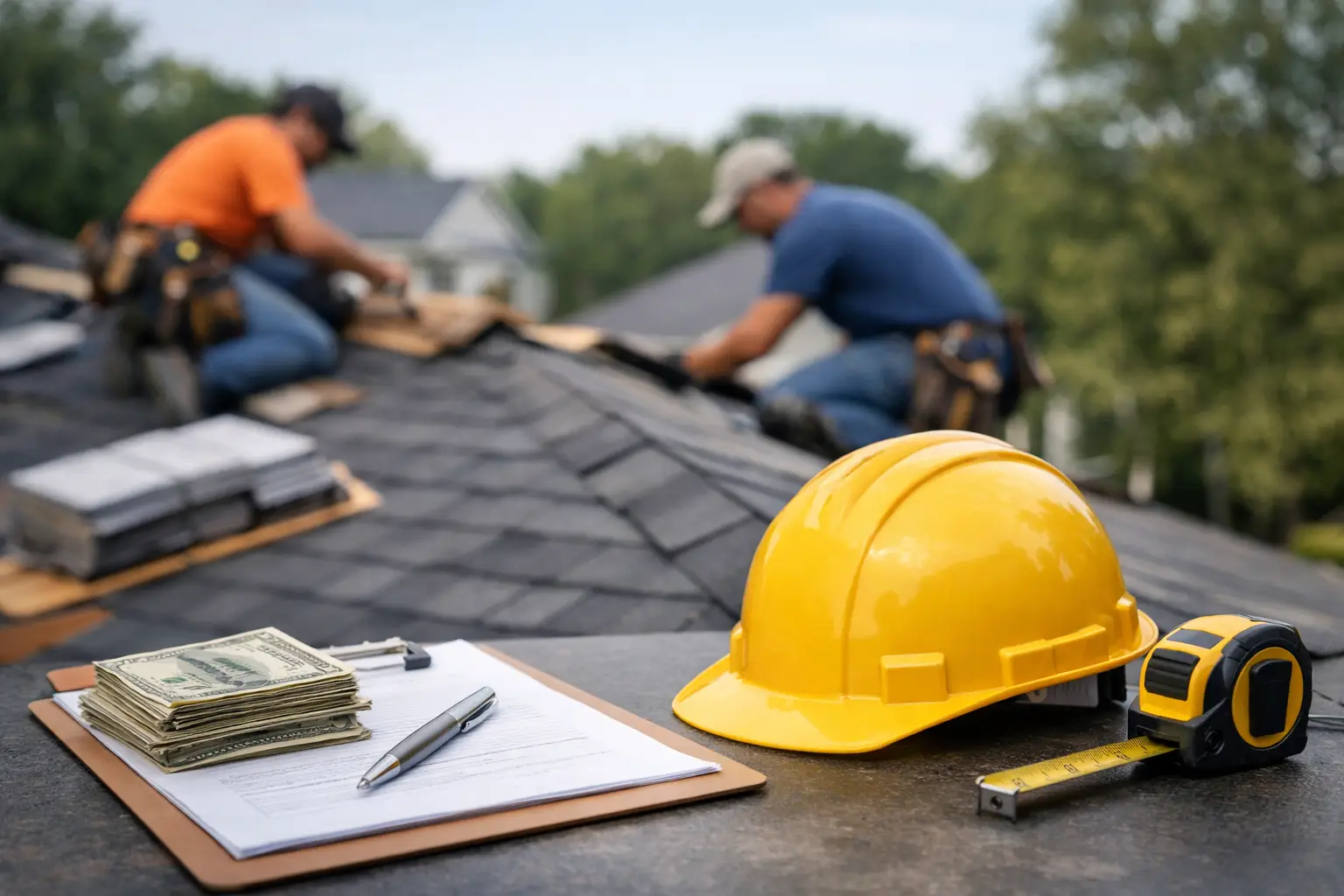
    How Much Does a Roof Installation Cost?

    A new roof is one of those jobs most property owners put off until they cannot. Then the questions come quickly – how much does a roof installation cost, what pushes the price up, and how do you know whether a quote is fair? In London, where access, parking, scaffold requirements and property types vary street by street, the honest answer is that roof installation costs can differ a lot. What matters is understanding what you are paying for and what should be included from the start.

    For most homeowners and landlords, a roof installation is not just a cosmetic upgrade. It is about stopping leaks, protecting the structure, improving energy efficiency and avoiding the ongoing cost of patch repairs that never quite solve the problem. A cheaper quote can look appealing at first, but if materials are poor, ventilation is missed or flashing details are cut back, the long-term cost is often higher.

    How much does a roof installation cost in the UK?

    As a general guide, the cost of a roof installation in the UK often starts from around £4,500 to £7,000 for a smaller straightforward roof and can rise to £10,000 to £18,000 or more for larger or more complex properties. In London, prices tend to sit at the higher end because labour, access and logistics are usually more demanding.

    That range is broad for a reason. A simple pitched roof on a small terraced house is very different from a large detached property with dormers, chimneys, valleys and difficult access. Flat roofs also follow a different pricing structure, depending on the system being installed and the condition of the deck underneath.

    If you are trying to budget before getting quotes, think in terms of project type rather than chasing a single national average. Roofing is too dependent on the building itself for one figure to mean much.

    What affects roof installation cost most?

    The biggest factor is size. More roof area means more tiles or membranes, more battens, more felt, more labour and usually more scaffold. But size is only part of it.

    Roof design has a major impact. A plain dual-pitched roof is generally quicker and easier to replace than one with several hips, valleys, roof windows or awkward junctions. Every detail takes more time and more materials. Chimneys can also add cost if leadwork needs replacing or masonry repairs are required while the roof is open.

    The material you choose matters as well. Concrete tiles are often more budget-friendly than natural slate, while premium flat roofing systems can cost more upfront than basic felt alternatives. That does not automatically make one better than another. It depends on the property, the expected lifespan and whether you are balancing immediate spend against long-term value.

    Access is another key issue across London and Croydon. If a property has limited side access, restricted parking or needs specialist scaffold arrangements, the price will rise. Terraced streets, busy roads and commercial premises can all create extra setup costs before the first tile is even lifted.

    Then there is the condition of the existing roof. Sometimes the issue is not just the outer covering. Once stripped back, roofers may find rotten battens, worn underlay, damaged decking or timber defects that need putting right before the new roof can go on. A proper quote should explain what is included and what might be treated as additional work if hidden problems are uncovered.

    Typical roof installation costs by roof type

    For a small to medium pitched roof using standard concrete tiles, many property owners might expect a broad range of roughly £5,000 to £12,000 depending on complexity. Natural slate roofs usually cost more because the material itself is dearer and installation is more labour-intensive.

    A flat roof installation can vary from around £2,500 for a smaller garage or extension roof to £8,000 or more for a larger area on a house or commercial building. The price will depend on the waterproofing system, insulation needs, edge detailing and whether the structure beneath needs repair.

    On larger detached homes or commercial buildings, costs can move well beyond these figures. Once you add substantial scaffold, waste removal, leadwork, insulation upgrades and detailed roof features, the budget can increase quickly. That is why site-specific quoting matters far more than online calculators.

    What should be included in the quote?

    A proper roof installation quote should be clear enough that you are not guessing what has been left out. At minimum, you would usually expect it to cover removal of the existing roof covering, disposal of waste, any scaffold required, new underlay, battens, tiles or membrane, ridge or edge details, flashing work where specified and labour.

    It should also make clear whether insulation upgrades are included, whether guttering or roofline items are part of the job, and what happens if hidden timber defects are found once the roof is stripped. This is where many cheap quotes become expensive later. A vague estimate may not actually be cheaper – it may just be incomplete.

    A dependable contractor will talk you through the scope in plain terms. If something is provisional, it should be stated. If something is excluded, that should be stated too. Clear communication at quote stage usually tells you a lot about how the job will be handled.

    Why roof installation prices vary so much between contractors

    If you get three quotes for the same property, the figures may still be far apart. That does not always mean one contractor is overcharging. It can mean they are pricing different levels of work.

    One quote may allow for full replacement of underlay, battens and flashings, while another only covers the visible outer covering. One may include all scaffold and waste removal, while another leaves room for extras. One may use better materials with longer expected lifespan, while another prices to win the job and deals with problems later.

    There is also a difference in workmanship standards. Insured, experienced roofers with trained teams, proper health and safety practices and reliable aftercare are not usually the cheapest. For many customers, that is a good thing. A roof is not an area where shortcuts stay hidden for long.

    How to compare quotes properly

    When comparing roof installation prices, look beyond the total. Ask what materials are being used, whether scaffold is included, what preparation work is covered and whether leadwork, ventilation and disposal have been allowed for. If one quote is much lower, ask why.

    It also helps to ask about timescales, guarantees and who will actually carry out the work. Some firms quote the job and then pass it on. Others manage the work directly. For landlords and commercial clients especially, clear scheduling and accountability matter just as much as price.

    A no-obligation quote should leave you better informed, not pressured. If the explanation is vague or rushed, that is often a warning sign.

    Is a new roof worth the cost?

    In many cases, yes. If a roof is near the end of its serviceable life, repeated repairs can become poor value. You fix one leak, then another appears. Water gets into insulation, timbers or ceilings. Energy efficiency drops. Tenants complain. Small issues turn into internal damage.

    A full roof installation can give you a clean start, especially if the existing roof has multiple points of failure. It can also improve appearance and resale value, though most owners are more concerned with reliability than aesthetics. The real value is peace of mind. A roof that is installed properly should protect the building for years, not just get you through the next winter.

    That said, not every ageing roof needs full replacement immediately. Sometimes a well-targeted repair is the sensible option. The right contractor will tell you when repair is enough and when replacement is the better investment.

    How much does a roof installation cost in London?

    In London, roof installation costs are commonly above national averages because nearly every stage of the job is affected by local conditions. Access is tighter, scaffold can be more involved, labour rates are higher and waste logistics are rarely simple. Period properties also bring added detail, especially where slate, leadwork or conservation considerations come into play.

    For that reason, the best starting point is a site visit and a detailed assessment. A reliable local contractor such as Rooftech Roofing Contractors will normally look at the full picture – roof size, structure, access, materials and any underlying issues – before giving a straightforward quote.

    If you are planning ahead, keep a contingency in mind. Even with a careful survey, roofing work can reveal hidden defects once coverings are removed. Budgeting for that possibility helps avoid difficult decisions halfway through the job.

    The best approach is simple. Get a clear quote, ask direct questions and focus on value rather than the lowest number. A roof installed properly protects everything beneath it, and that is worth getting right the first time.

  • Hello world!

    Welcome to WordPress. This is your first post. Edit or delete it, then start writing!